$5 2011 Australia's Convict Past 6 Coin Gold Proof Set
In 1788, Captain Arthur Phillip brought 751 convicts and 252 marines and their families to proclaim a new British colony in New South Wales. Convicts transported to Australia provided skilled labour for the development of the new colony. Many were able farmers, shepherds brick-makers, carpenters, nurses, servants and cattlemen. After serving their term, they often became free subjects.
The fledgling New South Wales population was soon augmented with new settlements in Van Diemen's Land, Norfolk Island, Rottnest Island, Moreton Bay and other locations. These sites echo the profound impact of convict settlement in Australia's national history.
In 2010, the Australian Convict Sites was inscribed on UNESCO's World Heritage List. The property is made up of 11 convict sites located across Australia. The list recognises places that are of 'outstanding universal value' according to the World Heritage Convention.
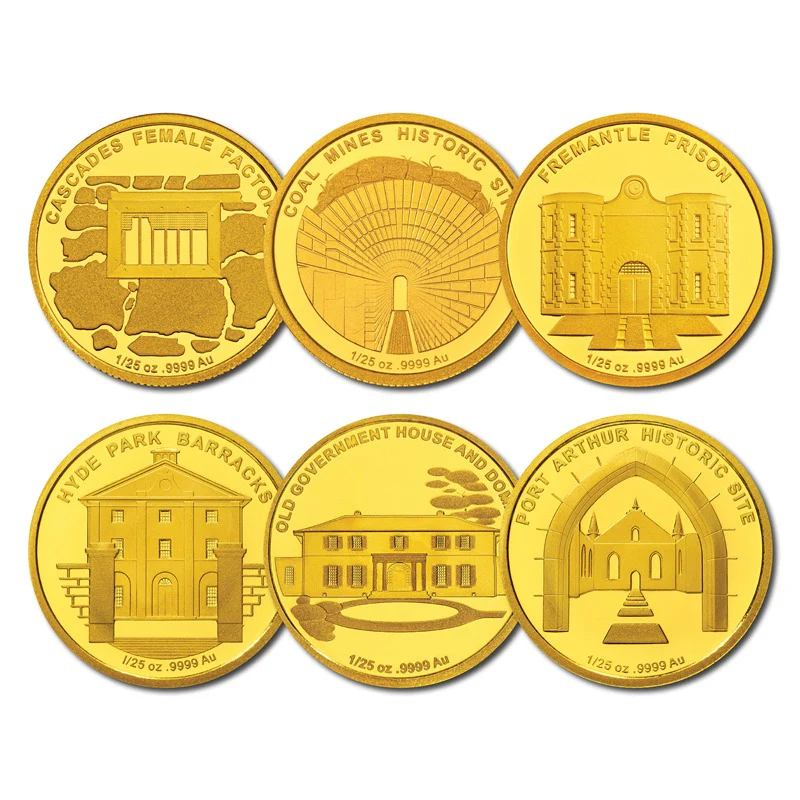
Port Arthur is the most well known property, beginning as a penal settlement with numerous industrial activities such as ship building and flour milling and later becoming a major tourist attraction.
Hyde Park Barracks was Australia's first government built barracks and the only one remaining from the Lachlan Macquarie era.
Fremantle Prison was built as a convict barracks in the 19th century and remained in continual use until 1991. The establishment was renamed Fremantle Prison in 1867.
Cascades Female Factory operated from 1828-1856, continued as a gaol until 1877. Women were employed in the factory in washing, sewing, carding and spinning.
Coal Mines Historic Site situated on the Tasman Peninsula, was Tasmania's first operational mine.
Old Government House is Australia's oldest intact former vice-regal residence and was the residence and offices of 12 prominent governors of New South Wales, from 1788 to 1856.
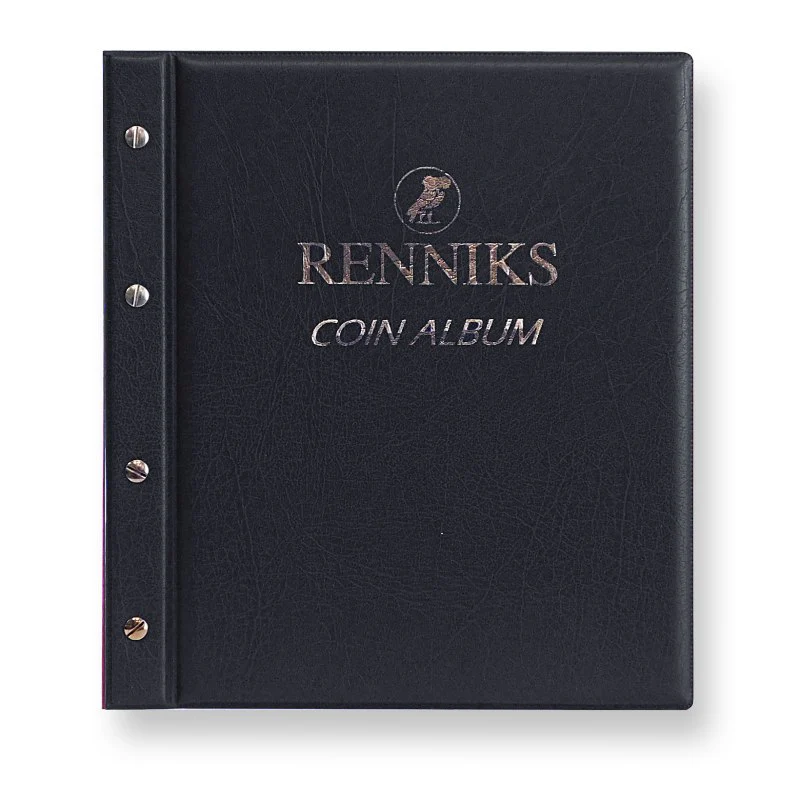
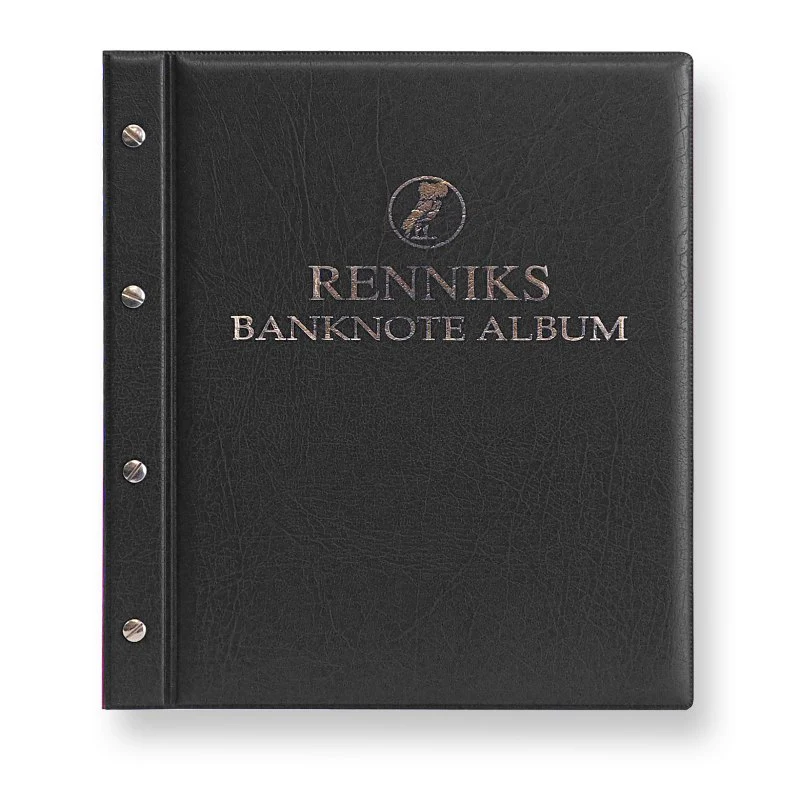
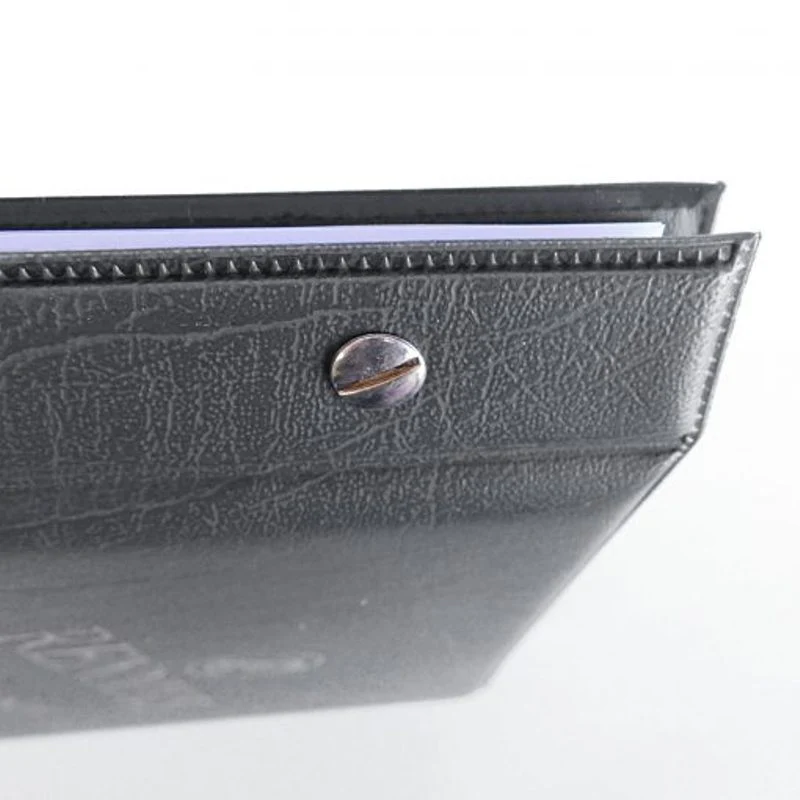
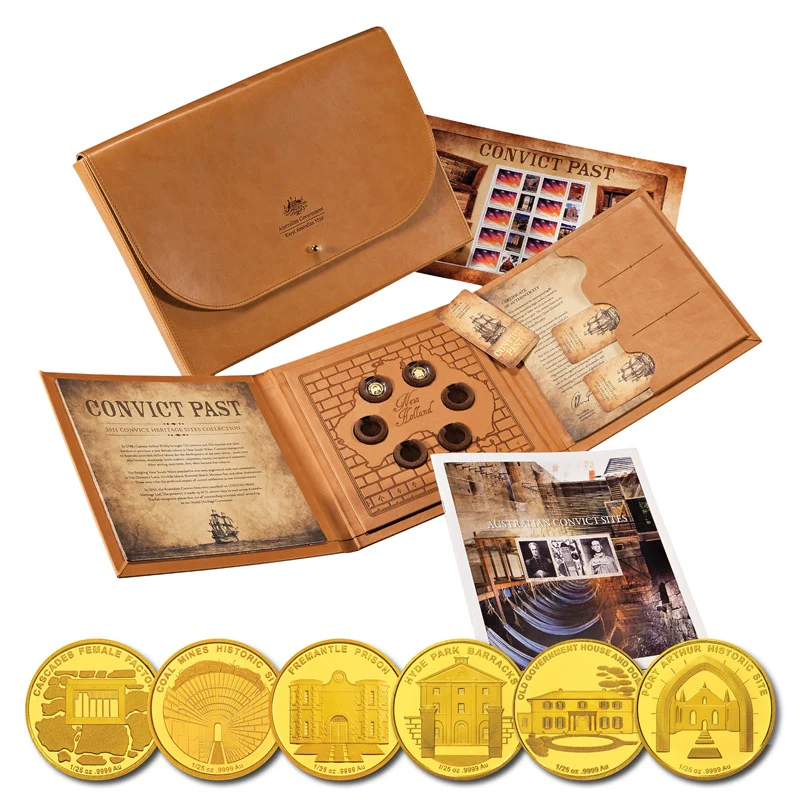
The six coins are housed individually encapsulated, in a crafted soft leather case within an album, accompanied by information sheets on each convict site and a numbered certificate of authenticity.
Original: $2,700.00
-70%$2,700.00
$810.00Product Information
Product Information
Shipping & Returns
Shipping & Returns
Description
In 1788, Captain Arthur Phillip brought 751 convicts and 252 marines and their families to proclaim a new British colony in New South Wales. Convicts transported to Australia provided skilled labour for the development of the new colony. Many were able farmers, shepherds brick-makers, carpenters, nurses, servants and cattlemen. After serving their term, they often became free subjects.
The fledgling New South Wales population was soon augmented with new settlements in Van Diemen's Land, Norfolk Island, Rottnest Island, Moreton Bay and other locations. These sites echo the profound impact of convict settlement in Australia's national history.
In 2010, the Australian Convict Sites was inscribed on UNESCO's World Heritage List. The property is made up of 11 convict sites located across Australia. The list recognises places that are of 'outstanding universal value' according to the World Heritage Convention.
Port Arthur is the most well known property, beginning as a penal settlement with numerous industrial activities such as ship building and flour milling and later becoming a major tourist attraction.
Hyde Park Barracks was Australia's first government built barracks and the only one remaining from the Lachlan Macquarie era.
Fremantle Prison was built as a convict barracks in the 19th century and remained in continual use until 1991. The establishment was renamed Fremantle Prison in 1867.
Cascades Female Factory operated from 1828-1856, continued as a gaol until 1877. Women were employed in the factory in washing, sewing, carding and spinning.
Coal Mines Historic Site situated on the Tasman Peninsula, was Tasmania's first operational mine.
Old Government House is Australia's oldest intact former vice-regal residence and was the residence and offices of 12 prominent governors of New South Wales, from 1788 to 1856.
The six coins are housed individually encapsulated, in a crafted soft leather case within an album, accompanied by information sheets on each convict site and a numbered certificate of authenticity.